The Power of Networking Skills for Professional and Personal Growth
In an increasingly connected world, mastering networking skills could be the tipping point between being a good professional and a great one. After all, no matter the area, human relationships are at the core of almost any job. Forging meaningful connections in professional settings can lead to opportunities, mentorships, collaborations, and can open exciting doors in your career journey.
That doesn’t mean you have to be an extrovert! It all starts with demonstrating genuine interest in listening and connecting with others while being clear, gentle, and concise when communicating.
Why networking skills are essential for success
The corporate world is already difficult to navigate, and even more so without help. By mastering networking skills you’re able to widen and solidify your professional circle, gaining access to industry knowledge and expertise through learning about your peers’ experiences.
Such knowledge feeds into your own experience, guiding you with decision-making and improving your skill set. At the same time, sharing your own expertise helps build a positive reputation and trustworthiness.
How to build and maintain meaningful connections
Having established the importance of developing strong networking skills, let’s explore actionable strategies to help you make a strong first impression and create relationships that will last and be relevant over time. Remember, it goes beyond simply exchanging business cards or adding contacts on LinkedIn. So, let’s dive in.
Effective strategies for making a lasting first impression
As much as we’d like to say that no one should judge a book by its cover, the reality is that, when it comes to networking, making a good first impression matters —even before striking up a conversation. Be sure to dress appropriately, make eye contact, smile, and adopt positive body language —sitting up straight, being confident in your posture— to convey friendliness and make people more willing to approach and speak with you.
When talking to someone, be sure to show respect and attention, listen, ask meaningful questions, and keep an engaging tone. Avoid distractions, like picking up your phone, and remember to be yourself. Authenticity is everything.
Practical tips for improving your networking skills
On a more practical level, here are a few tips that you can use in any conversation to improve your networking skills:
- Effective communication: Listen and try to find common ground to bond with whoever you’re speaking to.
- Active listening: Practice expanding your attention span to connect on a deeper level. Try focusing on their words, nod and ask follow up questions to demonstrate respect and interest in what is being said.
- Emotional intelligence: Reading the room is crucial. Before approaching anyone, especially if it’s an impromptu meeting, make sure they’re body language conveys openness, don’t interrupt their conversations with others, and be gentle when engaging (no matter how eager you are to speak to them). Once the conversation has started, be mindful of their time, and don’t try to force the discussion into continuing.
- Follow up: Don’t forget to exchange contacts and try to schedule a next meeting or keep in touch online.
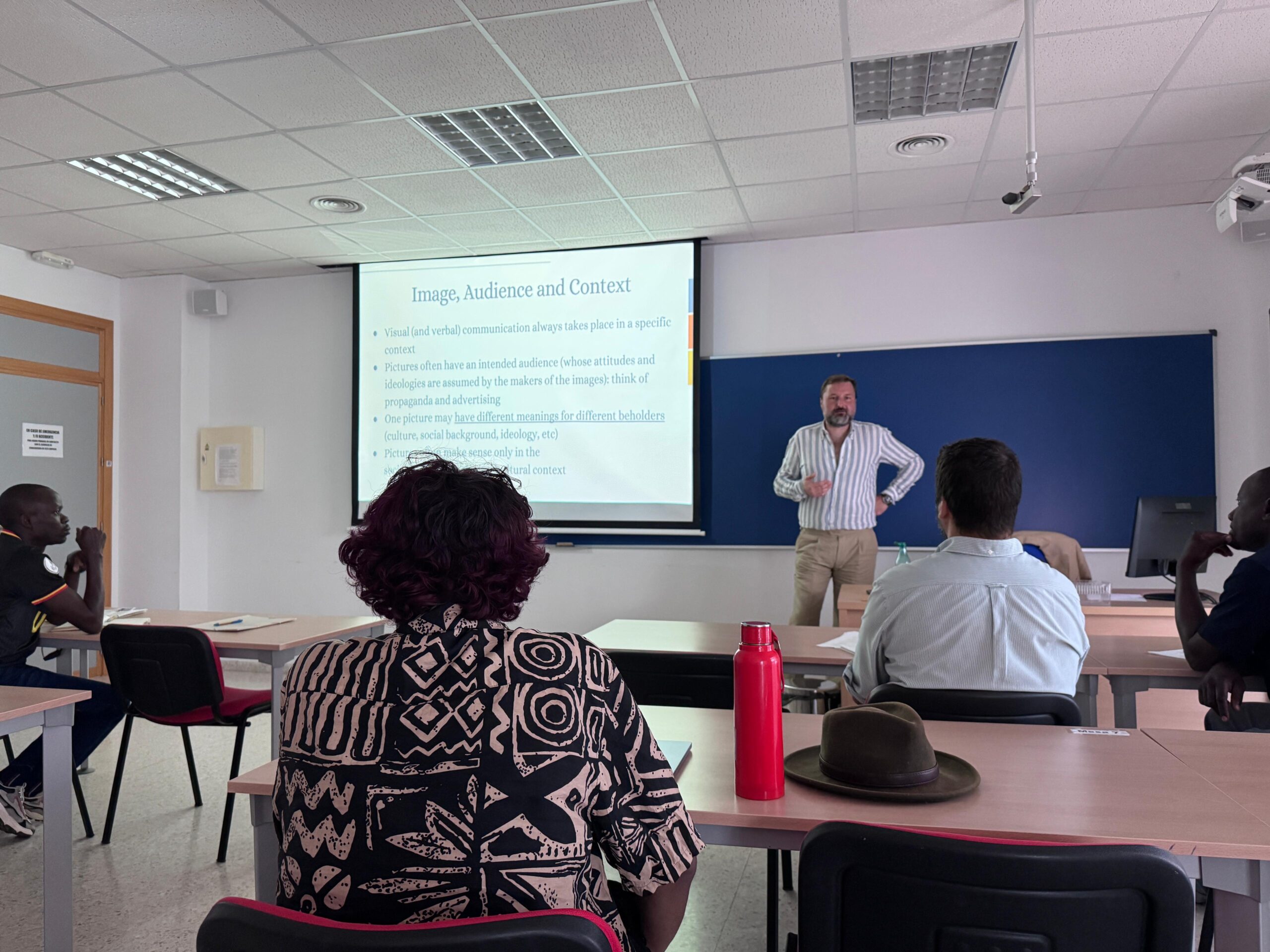
If you don’t feel confident just yet, try attending networking events to get some practice. These are ideal since all the attendees are already willing to connect. For those still pursuing undergraduate degrees or in the early stages of their professional path, university environments are also great for honing networking skills. Your fellow students, professors, and alumni can become valuable connections in the future.
How to keep relationships active and relevant over time
Maintaining professional relationships, especially those acquired through networking, requires consistent effort, strategic communication, and genuine interest in the other person’s career and life. This means contacting them regularly, whether it’s monthly, bi-monthly, or even quarterly, to keep showing interest. To make it more authentic, be sure to share your career updates, achievements, and ask about their own. Social media is a powerful ally to keep interacting. React to their posts, leave comments, and celebrate achievements they might share.
However, staying in touch online isn’t enough. Not having in-depth conversations will make the relationship cool off or even end. Make time to arrange personal meetings or coffee dates, especially with key contacts. Alternatively, participate in conferences or seminars where you can meet your network in person.
To avoid feeling overwhelmed, prioritise your contacts based on how relevant you consider them to be or the potential impact they might have on your career. Don’t forget to often review your network.
The impact of Networking skills on personal development
Despite its practical application in one’s professional life, developing networking skills means more than just creating a tool for career advancement —it’s a catalyst for profound personal growth. By fostering connections and engaging with diverse individuals, not only do we expand our professional horizons, but we also cultivate essential life skills that enhance our emotional intelligence, self-esteem, and confidence. Take a look at how transformative these skills can be in your personal life.
How networking helps you develop emotional intelligence
By taking the initiative to talk to new people, you start becoming more self-aware, understanding your emotions, strengths and weaknesses. It also helps you to be more aware of your surroundings and other people’s emotions, which helps in practising empathy, a key component of emotional intelligence.
Additionally, by constantly interacting with others, you’ll learn to adapt to various social dynamics. This adaptability helps you stay positive even when outside of your comfort zone. Moreover, networking provides opportunities to practice reading non-verbal cues and managing your own emotional responses in diverse social situations.
Networking as a tool for boosting self-esteem and confidence
Talking to new people can be challenging and daunting. Putting yourself in these “uncomfortable” situations will gradually become easier. This process builds resilience and self-assurance over time.
Managing to build long-lasting connections also establishes a sense of worth. Receiving encouragement and positive feedback from your network works as a self-esteem booster. For example, when a mentor provides constructive criticism, it can significantly improve your confidence in making similar decisions in the future. In addition, successfully navigating a networking event or making a valuable connection can provide a sense of accomplishment and reinforce your social skills.
Finally, the new opportunities that will inevitably come out of developing networking skills and expanding your network will further increase your sense of value and confidence. This can result in job offers, speaking engagements, or collaborative projects that validate your expertise and enhance your professional standing. For those pursuing postgraduate degrees, these connections can also facilitate research collaborations, academic partnerships, or career advancement in specialised fields.