How to Choose an Undergraduate Degree: 10 Questions to Ask Before You Apply
In Summary: 10 Questions to Ask Before Choosing a Degree
Choosing a degree is a big decision, but it becomes more manageable when you know what to compare. If you are wondering how to choose an undergraduate degree, look beyond rankings and programme titles. Consider your interests, career direction, curriculum, teaching style, practical learning, qualification, location, entry requirements, costs, and available support. These 10 questions can help you turn a long list of possibilities into a more focused shortlist.
____________________________________________________________________________
Choosing what to study at university can feel like a decision about one thing: your subject. In reality, the same subject can lead to very different university experiences depending on the curriculum, teaching approach, qualification, location, costs, and support available.
That is why learning how to choose an undergraduate degree means looking beyond a programme name or a university ranking. The goal is to understand what you will actually study, how the degree fits your interests and future plans, and whether the wider university experience suits you.
If you are currently choosing a university degree, the following 10 questions can help you compare your options more systematically and build a shortlist based on what matters to you.
1. What Subjects Interest Me and Suit My Strengths?
Start choosing a university degree by identifying subjects and activities that hold your attention.
Then go deeper. Do you enjoy research, problem-solving, writing, analysing behaviour, discussing global issues or developing business ideas? Matching a subject with the type of work you enjoy can produce a more useful shortlist than choosing by title alone.
2. What Career Directions Interest Me?
You do not need your entire career planned before university. You should, however, investigate what knowledge and transferable skills each programme develops.
If you are asking “what degree should I study?”, consider the fields you might want to explore after graduation without assuming that any degree guarantees a particular job or salary.
3. What Qualification Will I Earn?
Check the exact award, awarding institution, degree level, duration, and credit structure.
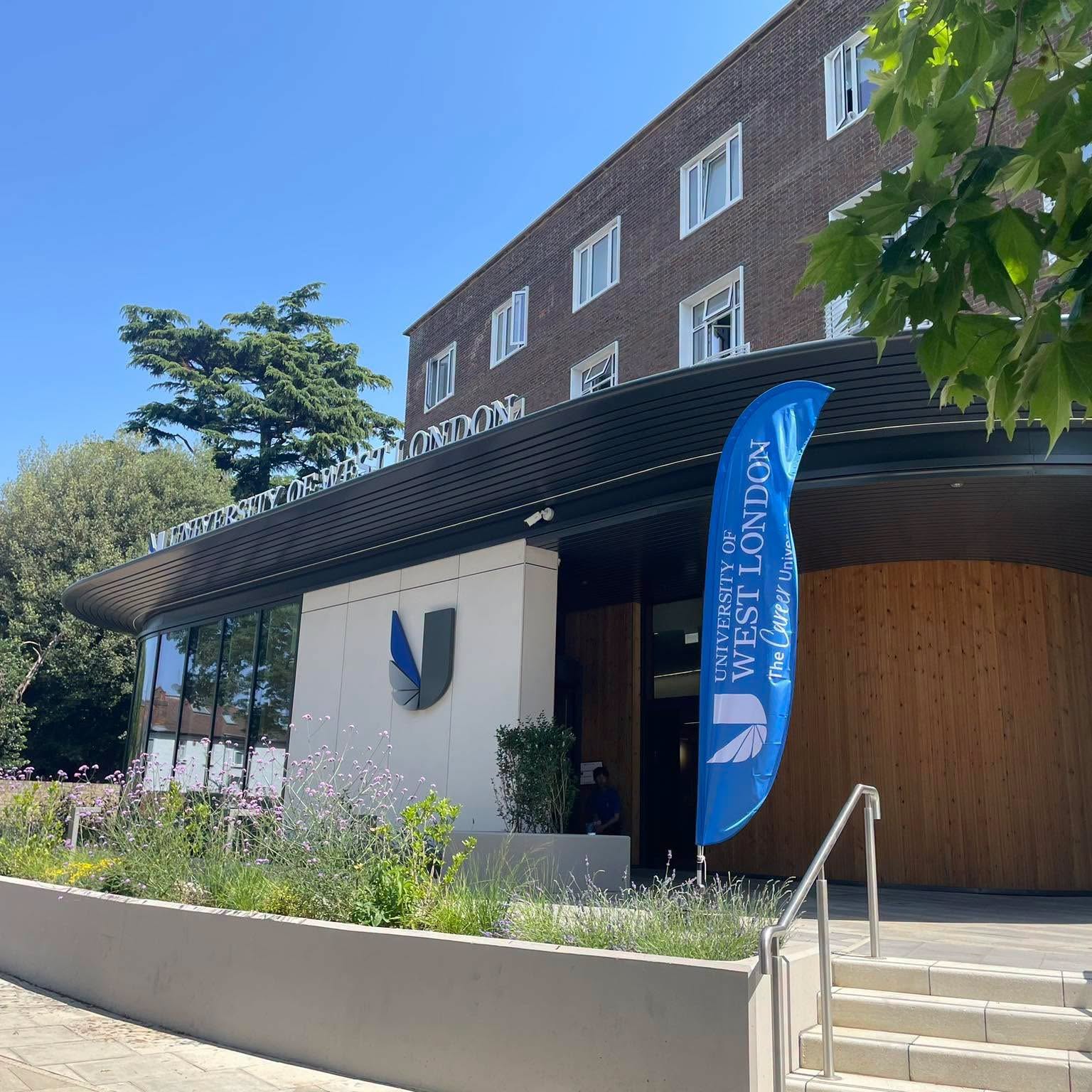
At MIUC, our bachelor’s degrees are awarded by the University of West London. (UWL), MIUC’s academic partner and awarding body. Knowing exactly what qualification you are comparing is particularly important when considering universities in different countries.
Need more information on the categories, types, and benefits of undergraduate degrees? Check out our guide on What Is an Undergraduate Degree?
4. What Will I Actually Study?
Curriculum is one of the most important questions to ask before choosing a degree.
Compare compulsory modules, optional subjects and how learning progresses each year. Our BA International Business Management, for example, covers areas including international trade, business negotiations, organisational behaviour, strategic management and cross-cultural management.
Two similarly named degrees can offer substantially different academic experiences.

5. How Will I Be Taught and Assessed?
Look beyond what you will learn to how you will learn it.
Compare lectures, seminars, discussions, independent study, group work, projects, presentations and examinations. Think about which environment suits the way you learn and demonstrate your knowledge.
6. What Practical Learning Is Included?
Look for concrete examples of learning that applies theory.
Depending on the subject, this might include case studies, simulations, research projects, presentations or applied assignments. Practical learning can help you practise using academic knowledge to address realistic questions and problems.
7. Where and in What Language Will I Study?
Location affects your budget, daily life and wider university experience.
International students should consider the language of instruction alongside accommodation, transportation, visas and living costs. At MIUC, students can study in Spain in English at our Marbella campus.
8. Do I Meet the Entry Requirements?
Check academic and English-language requirements before finalising your shortlist.
Transfer students should also ask whether previous university study may be recognised. Our Admissions information provides a starting point, while individual programme pages contain programme-specific requirements.
Always check the current requirements before applying.
9. What Is the Total Cost?
Tuition is only one part of the cost of university.
Compare:
- Tuition and registration charges
- Accommodation
- Food and everyday expenses
- Transport and travel
- Study materials
- Visa-related expenses where applicable
- Available scholarships or financial support
Check our current Tuition Fees when comparing MIUC with other options.

10. What Student Support Is Available?
Find out what support exists after enrolment, not just during admissions.
Consider academic guidance, wellbeing, mentoring and career development. Our Student Support includes services designed to support students academically, personally and professionally throughout university life.
Undergraduate Degree Comparison Checklist
| Compare | Degree A | Degree B |
| Subject and curriculum | ||
| Qualification | ||
| Teaching and assessment | ||
| Practical learning | ||
| Language and location | ||
| Entry requirements | ||
| Total costs | ||
| Student support | ||
| Career relevance |
The aim is not to find a programme that “wins” every category. Identify which combination best matches your own priorities.
How Can You Compare MIUC Bachelor’s Degrees?
If MIUC is on your shortlist, start with our Undergraduate Degrees page and open the individual programmes that interest you.
Our current bachelor’s portfolio includes:
- BA (Hons) International Business Management
- BA (Hons) Politics and International Relations
- BSc (Hons) Marketing and Social Media
- BSc (Hons) Psychology
- BA (Hons) Law and International Studies
Compare their curricula rather than deciding from their titles alone. Then review current entry requirements, tuition information, learning environment and student support.
If International Business Management interests you, for example, examine the complete BA International Business Management curriculum to see how subjects such as finance, trade, negotiation, leadership, strategy and cross-cultural management develop across the programme.
How to Choose an Undergraduate Degree: What Should You Do Next?
A good final shortlist is usually small enough to investigate properly.
Read the current programme specifications. Compare modules. Check admission requirements and costs. Speak with admissions teams. Ask questions about anything the website does not make clear.
Most importantly, distinguish between what sounds attractive and what fits your priorities.
Knowing how to choose a degree does not mean finding a universally “best” programme. It means gathering enough evidence to make a considered decision about the subject, curriculum, university experience and environment that suit the direction you want to explore.
Compare our Undergraduate Degrees to explore which MIUC bachelor’s programme best matches your interests and goals.
You can also contact Admissions to request programme information before applying.
Key Takeaways
- Start with your interests and strengths, but consider career direction too.
- Compare individual modules rather than programme titles alone.
- Check the qualification, teaching methods, assessment and practical learning.
- Consider location, language, entry requirements and total costs.
- Investigate academic, wellbeing and career support before applying.
- The right choice depends on how these factors fit your individual priorities.
FAQs
How do I choose the right undergraduate degree?
Compare your interests and strengths with the curriculum, qualification, teaching style, practical learning, career relevance, location, costs, entry requirements and student support offered by each programme.
What should I do if I am undecided about my subject?
Shortlist several subjects, read their module descriptions and compare the kinds of questions, assignments and skills involved. Speaking with admissions teams can also clarify important differences.
How important are career options when choosing a degree?
Career options matter, but they should be considered alongside your interests, abilities and preferred learning experience. A degree can develop relevant knowledge and transferable skills without guaranteeing a particular career outcome.
What should I compare in two degree curricula?
Compare compulsory modules, optional subjects, how the curriculum develops each year, practical projects, assessment methods, and the balance between theory and application.
Should I choose a degree by subject, university or location?
Consider all three. Subject shapes what you study, the university affects your learning and support environment, and location influences your daily experience and costs.
What questions should I ask before applying?
Ask about programme content, teaching and assessment, entry requirements, transfer options, fees, support, and any details unclear on the programme page.
Can I transfer into a later year of an undergraduate degree?
Transfer policies vary. Ask the university to assess your previous study and confirm whether eligible credits can be recognised before applying. For the MIUC-specific transfer information, the current International Business Management page confirms later-stage entry and credit-transfer possibilities, although eligibility depends on the applicant’s previous study.