What Is an Undergraduate Degree? Definition, Types & Benefits
What Is an Undergraduate Degree? Definition, Types & Benefits
Pursuing higher education is a life-defining decision. Whether a student is just finishing secondary school or exploring a career shift, understanding what an undergraduate degree entails is essential. At MIUC, we aim to provide more than an academic qualification: we offer an international learning experience in one of Europe’s most inspiring coastal cities. So, let’s explore the meaning and value of an undergraduate degree.
What does “undergraduate” mean?
The term undergraduate refers to the first level of university education. It precedes postgraduate studies and typically results in a bachelor’s qualification.
It is an academic journey that introduces students to a particular discipline, allowing them to build a strong theoretical foundation and begin developing the professional competencies needed for their future careers. Whether in business, media, politics, psychology or technology, this level of study is designed to spark critical thinking, deepen subject knowledge and prepare students for real-world challenges.
In the UK and most of Europe, an undergraduate degree normally refers to a bachelor’s degree programme, unlike in other systems (such as the US) where it might also include associate degrees.
Types of undergraduate degrees
Undergraduate degrees in the UK are most commonly offered as:
Bachelor of Arts (BA)
A BA typically centres on humanities, arts and social sciences. At MIUC, students might pursue a BA in areas such as International Relations or Communications. This type of degree places a strong emphasis on theoretical frameworks, critical analysis and cultural context, offering wide applicability in sectors such as media, government, consultancy and NGOs.
Bachelor of Science (BSc)
A BSc is more focused on analytical, technical or scientific fields. At MIUC, options include BSc degrees in Business Management or Political Science. These programmes are designed to develop rigorous methodological thinking, data interpretation and decision-making skills with real-world application.
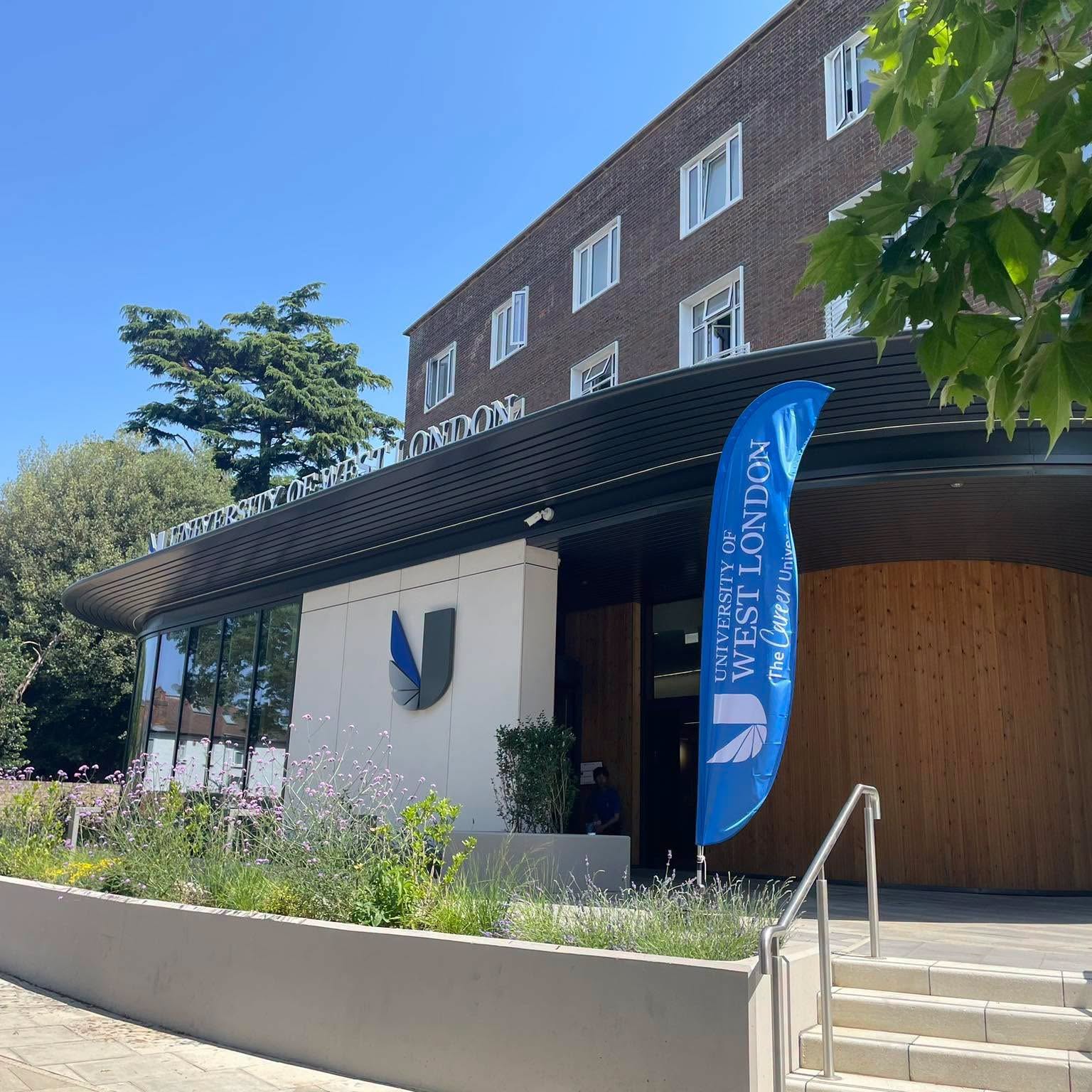
Both BA and BSc degrees at MIUC are awarded in partnership with the University of West London, ensuring a British-accredited academic standard within a multicultural Mediterranean environment.
Undergraduate vs graduate: key distinctions
What’s the difference between an undergraduate and a postgraduate degree?
The distinction lies in the level of study and the depth of specialisation. Undergraduate programmes provide broad academic foundations and usually do not require prior university study. Postgraduate degrees, on the other hand, demand an undergraduate qualification as a prerequisite and involve more focused research or advanced practical training.
A student completing an undergraduate degree is considered to be starting their academic career, while a postgraduate student is deepening their expertise or preparing for leadership roles.
At MIUC, students can continue their academic path by enrolling in our Postgraduate Degrees programmes once they complete their undergraduate studies.
How long does an undergraduate degree take?
In the UK system, a full-time undergraduate degree typically lasts three years. Some programmes, particularly those with a foundation year or placement abroad, may extend to four years.
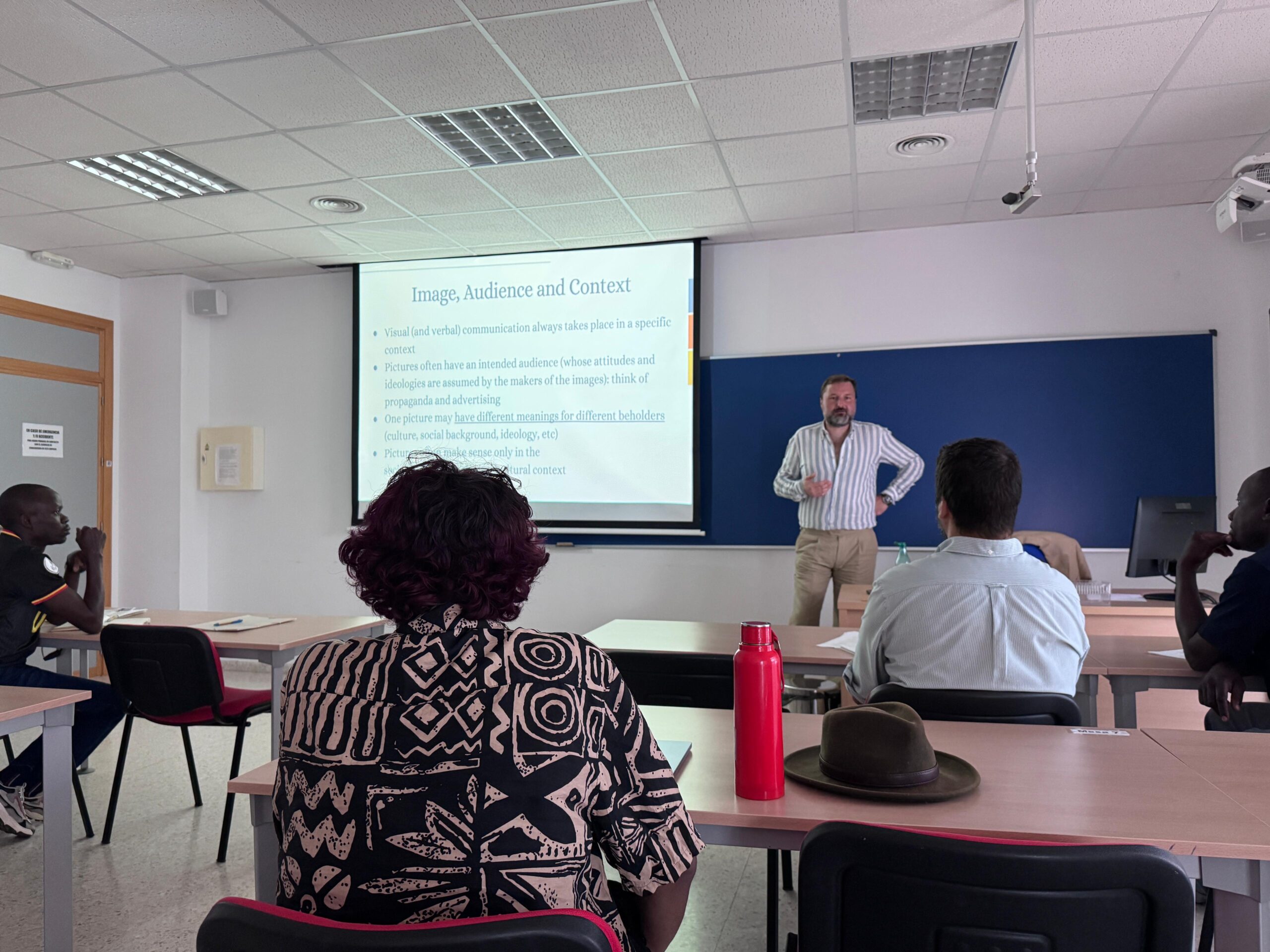
At MIUC, our undergraduate programmes are structured over three academic years, each designed to progressively build upon the previous year’s knowledge, skills and global perspective. The university calendar allows for both theoretical and practical learning, equipping students with everything needed to thrive internationally.
Why study your undergraduate degree at MIUC?
Choosing the right university can transform a student’s life, personally and professionally. MIUC offers a distinctive combination: British academic rigour, practical experience, and a vibrant, multicultural atmosphere in Marbella, one of Europe’s most cosmopolitan and inspiring locations.
Degree-awarding body by the University of West London
All of MIUC’s undergraduate programmes are validated by the University of West London, ensuring internationally recognised credentials. This partnership guarantees that students graduate with a degree that aligns with UK higher education standards, widely respected by employers and postgraduate institutions alike.
Multicultural learning and real-world skills
MIUC students come from over 80 nationalities, creating an environment rich in perspectives and cultural exchange. Our undergraduate programmes combine lectures with case studies, group projects and internships, enabling students to build a strong portfolio of real-world experience.
With state-of-the-art facilities and direct access to expert faculty, students are immersed in a community designed to foster critical thought, creativity and leadership. The Undergraduate degrees offered here aren’t just about earning a qualification, they’re about launching a global career.
By understanding the undergraduate meaning, recognising the difference between undergraduate versus graduate, and exploring the types of degrees available, students can make informed decisions about their academic future.
At MIUC, undergraduate studies go beyond textbooks. They represent an invitation to grow intellectually, build lifelong connections and prepare to lead in a rapidly changing world.