MIUC Welcomes Dr Ian Sinclair Begg for Seminar on Reserve Asset Management in Development Finance
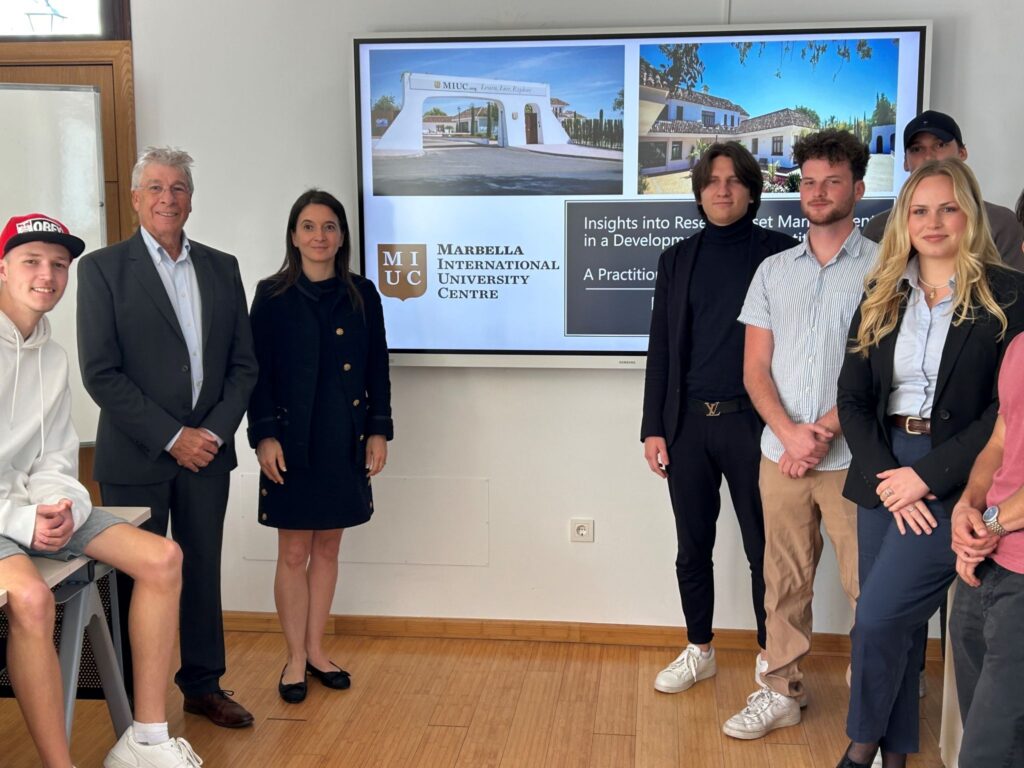
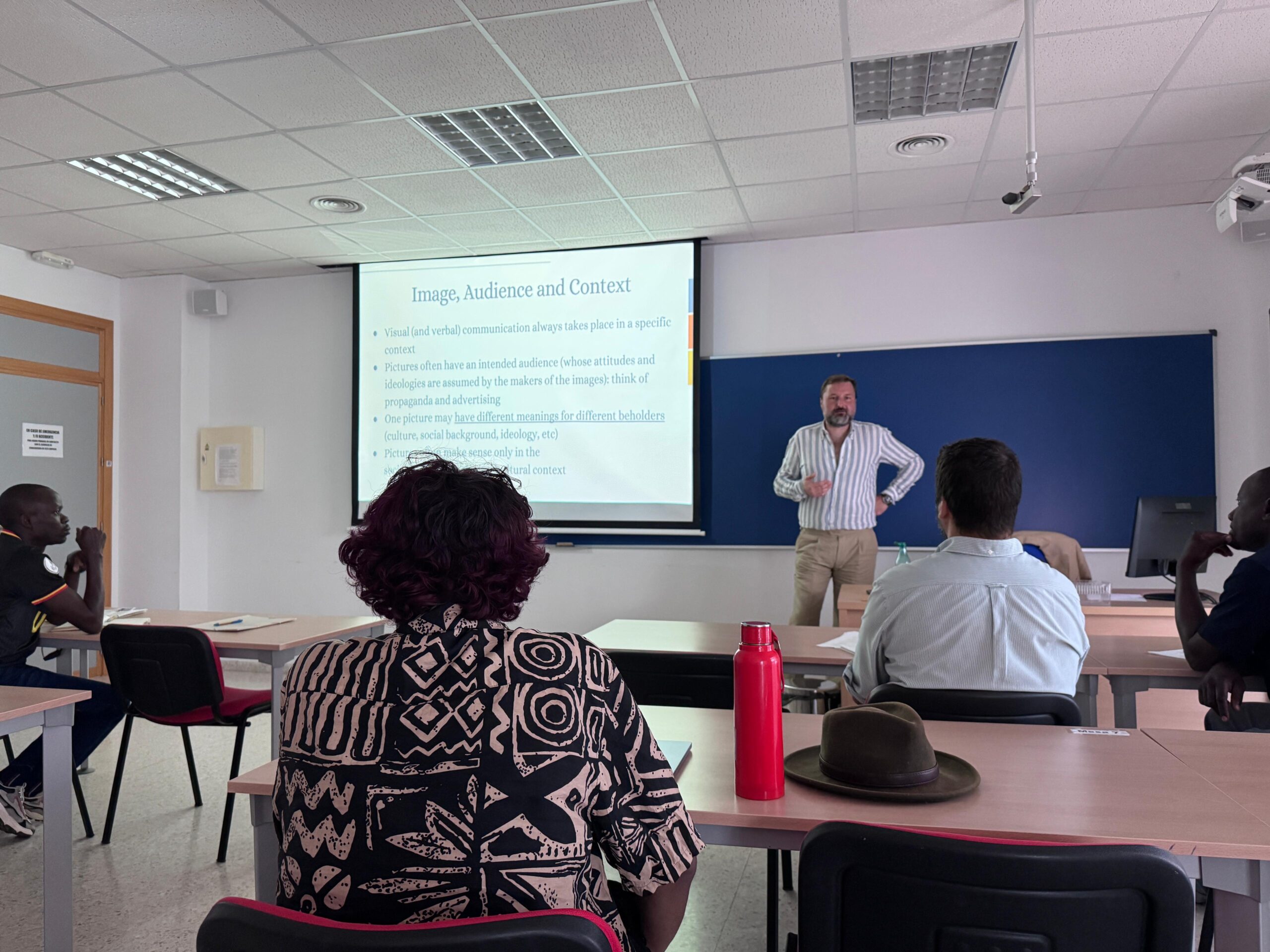
As part of the March ConnectEd Calendar at MIUC, students from across disciplines had the unique opportunity to engage with Dr Ian Sinclair Begg, a seasoned investment expert and senior practitioner in international finance, who delivered a comprehensive seminar titled:
“Reserve Asset Management in a Development Finance Institution: A Practitioner’s Perspective.”
Drawing on over three decades of experience in investment management—26 of which were spent at the OPEC Fund for International Development (OFID) in Vienna—Dr Begg provided a rare and candid insight into the inner workings of multilateral financial institutions, with a focus on sustainable development finance.
A Practitioner with Global Experience
Dr Begg’s professional background includes significant roles in institutional fund management at James Capel (HSBC) and Montagu Loebl Stanley (now part of JP Morgan Chase) in the City of London, before moving to Vienna to take up a long-term position at OFID, a development finance institution established by OPEC Member States.
His academic credentials include a BA in Economics from the University of Essex, followed by postgraduate studies at Southampton University where he earned both an MSc in Econometrics and a PhD.
Dr Begg’s deep commitment to financial literacy, especially among disadvantaged communities, underpins both his professional and philanthropic work. He is also the founder of a Literacy Foundation in Vienna, dedicated to distributing English-language educational materials to children and students across Central and Eastern Europe.
Seminar Focus: Bridging Practice and Policy
The session was structured around practical insights gained during Dr Begg’s tenure at OFID, and aimed to give students an industry-relevant understanding of reserve asset management, tailored to the unique mandates of development finance institutions (DFIs).
Key themes explored during the seminar included:
The Role and Purpose of DFIs: Unlike commercial banks, DFIs are “not-for-profit” institutions whose investment strategies are shaped by development goals rather than financial return alone. Dr Begg illustrated how these institutions balance fiduciary responsibility with a developmental mandate, offering concessional finance to least developed countries.
Portfolio Construction and Asset Allocation: Students were introduced to the complexities of constructing a Strategic Asset Allocation Benchmark (SAAB). Dr Begg explained how this benchmark governs the allocation of reserves across equities, fixed income, and cash, while managing risk within a robust framework.
Risk Management: The risk-return balance is a central theme in treasury operations. Dr Begg broke down how credit, market, and currency risk are measured, monitored, and mitigated. He described how external investment managers are selected, evaluated, and supervised under strict investment guidelines.
Investment Strategy and Governance: Emphasis was placed on the importance of aligning investment decisions with an institution’s mission statement, especially in development finance where capital preservation, liquidity provision, and risk-adjusted returns are often prioritised over growth.
Operational Realities: Students were offered a behind-the-scenes look into the daily operations of a treasury division—from front office trading and settlement to back office custody services, tax compliance, and performance attribution. Dr Begg demystified how investment consultants support portfolio oversight and highlighted the differences between internal and external management.
Real-World Reflections and Cultural Challenges
Dr Begg’s reflections extended beyond the technical. He shared first-hand experiences of working in a multicultural environment, noting the communication, behavioural, and attitudinal differences encountered when collaborating with professionals from a wide range of cultural backgrounds within global institutions like the UN and IMF.
“Diplomacy, patience, and a good sense of humour are essential tools,” he noted, “especially when working across borders, languages, and time zones.”
He also spoke candidly about the challenges of managing funds responsibly during global financial crises, including the dot-com bubble, the 2008 financial crash, and the COVID-19 pandemic, encouraging students to always plan for the unexpected.
Embedding Ethics and Social Responsibility
A significant portion of the seminar was devoted to the ethical dimensions of investment management, prompting students to consider the broader implications of their financial decisions. Dr Begg encouraged critical self-reflection by asking:
Are you living within your means?
Have you created a sustainable personal budget?
Do you understand the difference between needs and wants?
Are you financially prepared for unforeseen events?
He urged students to pursue careers that not only foster professional success but also demonstrate a commitment to societal betterment, echoing his personal mission to “give back to society what society has given to us.”
Inspiring the Next Generation
Dr Begg concluded the session with advice on how to navigate the future of finance, emphasising the importance of lifelong learning, interdisciplinary awareness, and ethical leadership. He left students with the words: “Be flexible. Be patient. Keep an open mind.”
A True Role Model
Outside the world of finance, Dr Begg is an international badminton player, representing Austria at European and World Championships—an example of his belief in the value of sport in promoting personal discipline and community wellbeing.
His presence at MIUC offered students a unique convergence of academic theory, practical application, and personal integrity, all delivered with clarity, humility, and wit.
This lecture exemplified the spirit of the ConnectEd series, providing students with access to real-world expertise, and furthering MIUC’s mission to cultivate responsible global citizens and financially literate professionals.