Confronting 21st Century Challenges in the World
“Confronting 21st Century Challenges in the World – Perspectives from Research and Practice”.
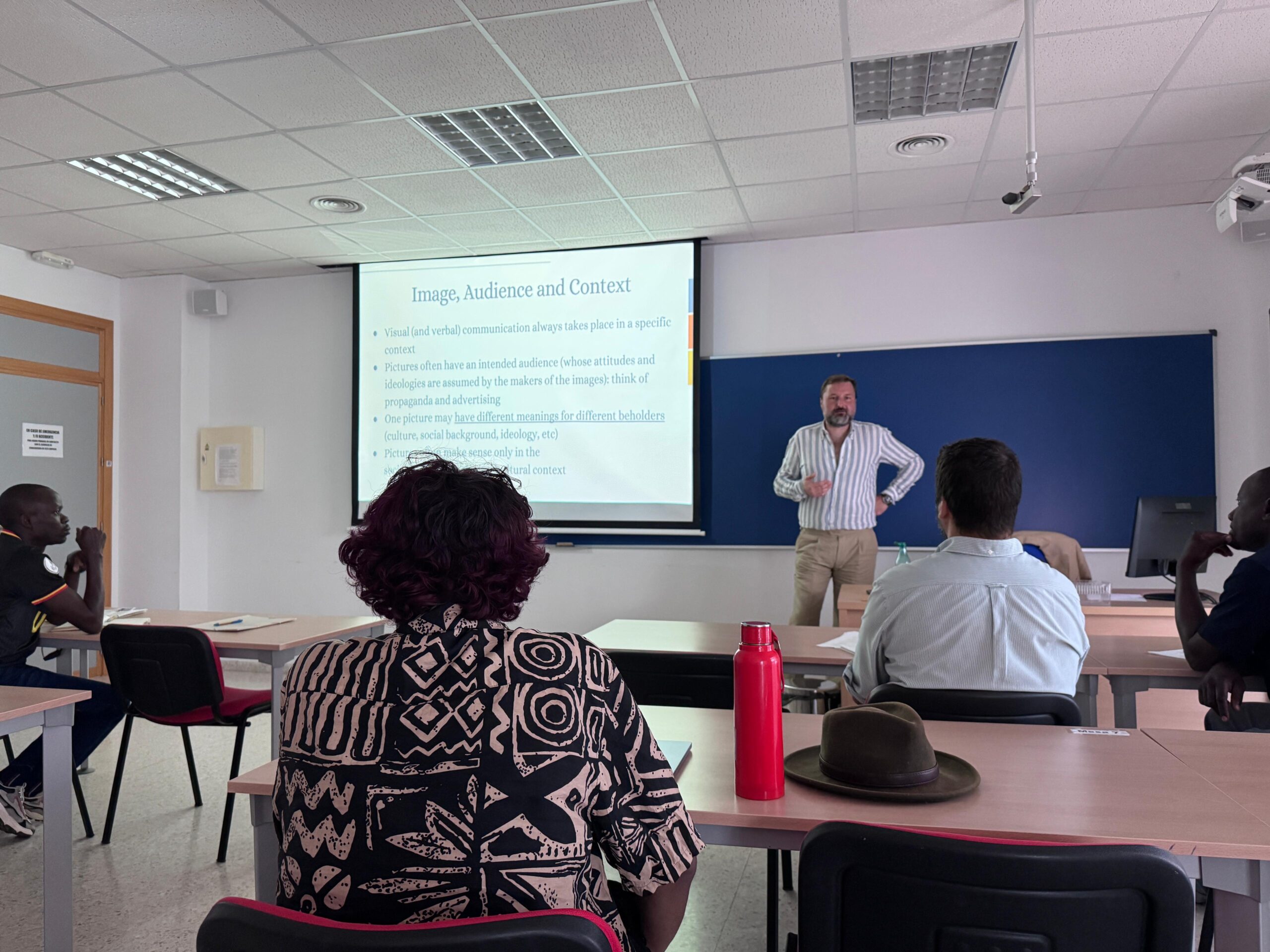
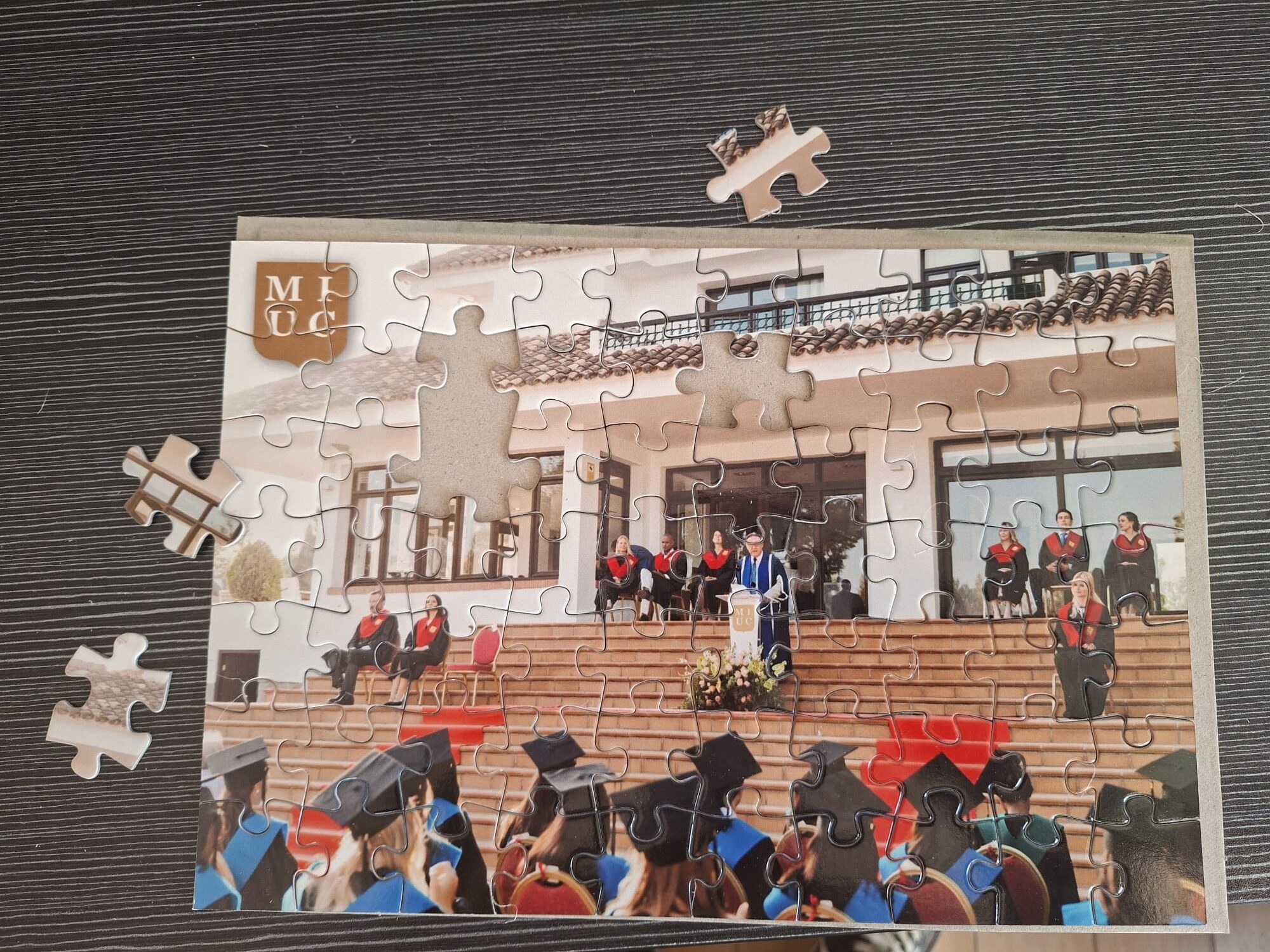
It was an honour and a privilege for me to present the keynote address on the occasion of Marbella International University’s symposium “Confronting 21st Century Challenges in the World – Perspectives from Research and Practice”. This significant symposium marked an important milestone in MIUC’s continuing mission to address pressing issues which affect the society in which we live, and raise awareness about the necessity to continue research, development and dynamic discussion.
The symposium has demonstrated that MIUC, led by its energetic and forward-thinking Dean, Dr Beata Fröhlich, continues as a centre of excellence which cares about its dedicated mission, underpinning its values and continuing to create a deeply committed academic research environment encouraging debate and a “call for action”. I am delighted that my keynote address, designed to encourage debate and alert delegates, certainly generated a lively discussion, and engendered a broad range of thought-provoking opinions.
In order to capture the undivided attention of my audience, I commenced my address with a challenging question about ethics. The conundrum I put to the assembled audience – the same question posed to the creator of the Effective Altruism “EA” movement, Will MacAskill:
Imagine you are walking along a random street, and you come across a house burning down. There are only two rooms in the house; in one room there is a child, in the other room there is a Picasso painting. You only have time to save one – which one? The child or the Picasso? For some, a heartbreaking dilemma. For others, a “no brainer”. Will Macaskill, without hesitation, responded that you obviously save the Picasso since by selling the Picasso, the funds raised may be used to save thousands more children.
So, we may start our blog by agreeing or disagreeing that “ethics” is certainly one of this century’s global challenges. But there are many more challenges which many academics and practitioners are dedicated to tackling with demonstrated action plans. I allude to the United Nations’ Sustainable Development Goals; these are not just “Goals” but a “call for action”. Not for some date in the future, but NOW!
Undoubtedly, global challenges will always be with us, and they will not be solved overnight. New challenges are constantly appearing; however, we should never give up! My address alluded to the developments which are being initiated, to face head on, what may be regarded as the most pressing challenges of our generation:
- Ethical Leadership and Global Cooperation
- Addressing global challenges requires ethical decision-making, strong leadership, and multilateral cooperation to balance immediate crises with long-term priorities.
- Economic Inequality and Development
- The gap between rich and poor continues to widen, calling for ethical market economies and investment in sustainable development to ensure inclusive growth.
- Climate Change and Environmental Risks
- Climate change is the defining challenge of our time, with extreme weather, pollution, and biodiversity loss posing urgent threats to societies and economies.
- 2024 was the hottest year on record, highlighting the need for immediate action on climate adaptation and sustainability.
- Geopolitical Instability and Security
- State-based armed conflict has become the top immediate global risk, with ongoing tensions in regions such as Ukraine and the Middle East, increasing global instability.
- Emerging geopolitical shifts, including power rivalries and regional conflicts, which are reshaping international relations and global governance.
- Technological Disruption and Cybersecurity
- Rapid technological advancements (AI, cyber warfare, quantum computing) bring both opportunities and risks, including job displacement and data privacy concerns. Always plan for the unexpected as the unexpected almost always happens!
- Cybersecurity threats are growing in sophistication, demanding resilient and adaptive strategies for data protection.
- Disinformation and Social Media
- The spread of disinformation, fuelled by AI and deepfakes, challenges societies to develop media literacy and effective regulation to safeguard truth and democracy. Sadly, far too many young people rely on social media to manage their finances and investments.
- Health and Global Well-being
- New and reemerging diseases require global cooperation and robust health systems to reduce risks and build resilience.
- Education and Skills for the Future
- Equipping people with problem-solving, digital, and AI literacy skills is essential for thriving in a complex, rapidly changing world.
- Resilience and Adaptability
- Navigating adversity and embracing change are critical for individuals, organizations, and nations facing uncertainty and disruption.
- Diversity, Inclusion, and Shared Values
- Leveraging diverse perspectives and fostering shared values can help reduce conflict and build more equitable, cohesive societies.
The 2025 Global Risks Report underscores the interconnected nature of modern challenges. From environmental degradation to geopolitical conflict, our collective future depends on urgent and coordinated action.
To conclude my address, I indicated that Development Finance Institutions such as the United Nations affiliated Organisation, the OPEC Fund for International Development, exist to fulfil their mission to eradicate poverty on this planet and to make the lives of so many living in unacceptable conditions better. If we want to “do good” in this world we not only must have a head, but we must also have a heart.
I look forward to the continuing discussions on these important challenges. Congratulations to the MIUC for establishing the framework to continue its mission to generate research and discussion on the global challenges of our time.
Ian Sinclair Begg