What a psychology degree offers to your career
Choosing a degree is also choosing the kind of doors you want to open for your future. A psych degree stands out because it not only trains you to understand human behaviour but also equips you with skills that employers across industries value. From mental health to business and beyond, psychology provides a foundation that blends critical thinking, research ability, and empathy. All qualities that translate into a wide range of professional opportunities. For applicants who value both intellectual rigour and real-world impact, psychology remains one of the most versatile academic routes into a meaningful career.
What is this Degree About
A psychology degree explores the evidence base behind human behaviour and mental processes. Core study spans biological, cognitive, social and developmental psychology, alongside research methods and statistics. Modern programmes also add contemporary topics such as cyber behaviour, wellbeing and behavioural analytics. The result is a graduate profile that blends critical thinking, ethical awareness, analytical technique and communication that influences decisions in organisations and communities.
Is it a Good Career Option Today?
Psychology is a strong career option because demand for behavioural insight is rising across health, education and data-driven industries. Services that support mental health also continue to expand.
Employers prize graduates who can understand motivation, design humane experiences and interpret evidence. A psych degree therefore serves two audiences. It supports students who intend to pursue regulated practitioner roles through postgraduate training, while also equipping those who plan to enter adjacent professions where behavioural expertise creates advantage.
What Can You Do with this Degree?
Graduates commonly progress into roles that apply behavioural science to practical outcomes. However, other destinations include:
● Mental health support, wellbeing coordination and casework within community or third-sector services;
● Education support, learning assistance and pastoral roles across schools and colleges;
● Human resources, talent development and people analytics in corporate settings;
● Marketing, insights and market research, using evidence to shape campaigns and brand strategy;
● User research and experience analysis within digital product teams;
● Criminal justice support, victim advocacy and rehabilitation services;
● Data analysis assistantships that translate experimental results into policy or business actions.
These pathways suit candidates searching for jobs similar to psychologists but that leverage psychological knowledge without immediate clinical registration.
Jobs that require a psychology degree:
Certain entry-level roles state a psychology degree as an essential or highly preferred requirement, for example:
● Assistant Psychologist within NHS and independent services;
● Psychological Wellbeing Practitioner trainee routes where undergraduate psychological science is expected;
● Research Assistant in university labs or applied research centres;
● Behavioural Therapist or ABA Technician roles within specialised services;
● Health Psychology or Occupational Psychology assistant posts in large organisations.
Progression to titles such as Clinical Psychologist, Educational Psychologist or Forensic Psychologist typically requires accredited postgraduate study, supervised practice and professional registration. An undergraduate psychology degree is the foundational step for those jobs.
Undergraduate roles in psychology:
Students often secure experience that accelerates employability before graduation. Valuable undergraduate jobs in psychology include:
● Lab assistantships supporting experimental design, data collection and analysis;
● Support worker positions within mental health or social care settings;
● School learning support and mentoring roles that apply developmental insight;
● Insights internships across marketing, HR or UX research teams;
● Community projects in victim support, substance misuse or youth engagement.
These roles build an applied portfolio that demonstrates method, empathy and evidence handling.

The Value of Studying Psychology at MIUC in Marbella
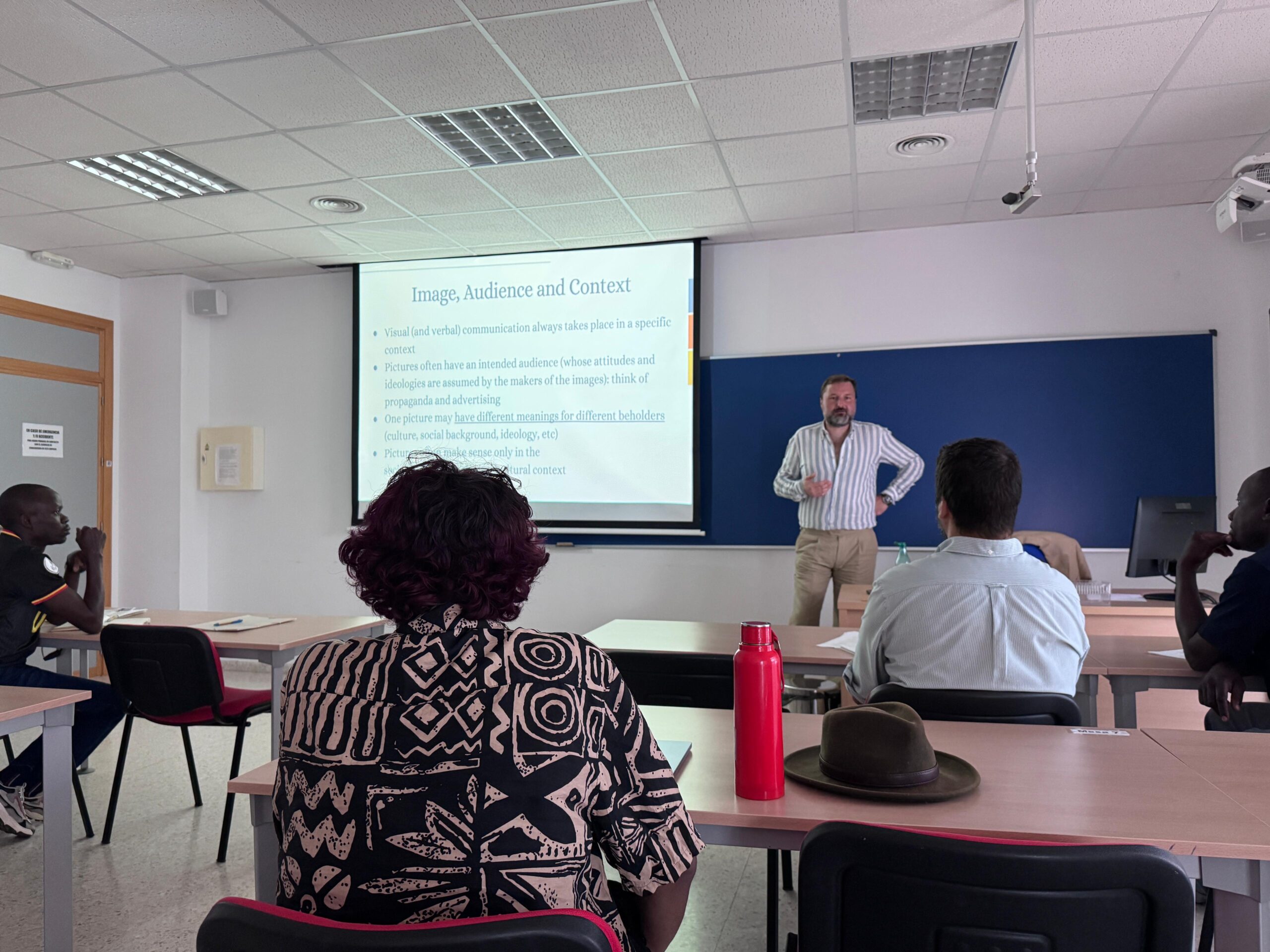
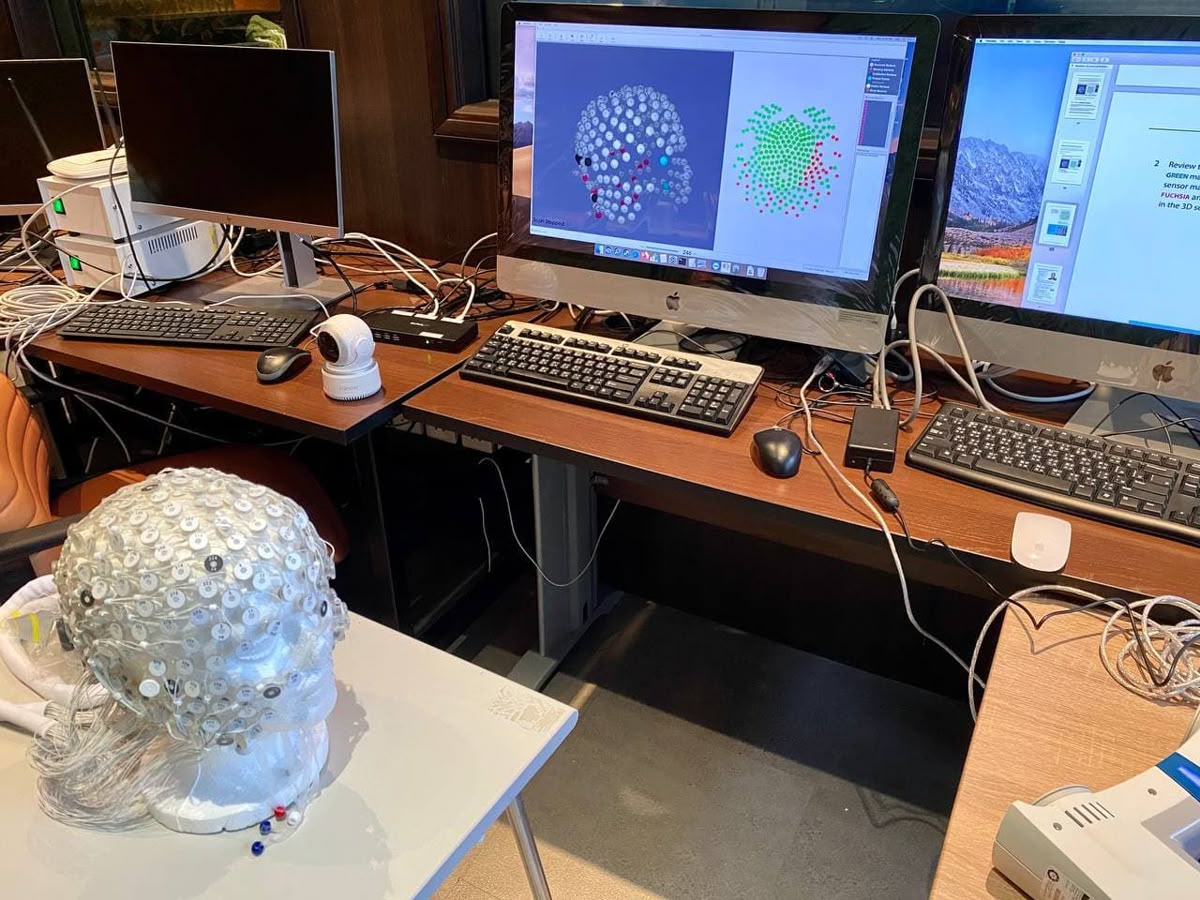
MIUC delivers a contemporary Psychology BSc Hons awarded by the University of West London. The curriculum aligns core British Psychological Society content with innovative modules that reflect today’s challenges, including mental health in the modern age, cognitive neuroscience and psychology in practice. Students are guided by lecturers active in research on topics such as cyberbullying and health behaviours, while guest speakers connect theory with professional realities.
Learning is intentionally hands-on. From the first year, students plan ethical studies, code experiments, analyse qualitative and quantitative data and reflect on impact. Work experience is encouraged through partnerships that have included victim support schemes, drug support services, after-school clubs and market research teams. This applied emphasis turns classroom knowledge into workplace competence that employers recognise.
Marbella enhances the academic proposition. An international community, strong service economy and entrepreneurial culture create a living laboratory for understanding behaviour in diverse contexts. The Mediterranean environment supports wellbeing, while regional organisations offer placements that strengthen a graduate´s CV.
Prospective students can review MIUC’s academic model on the Academic page, explore the Psychology degree in depth and compare pathways across Undergraduate Degrees. The degree awards 360 UK credits. It builds graduates who combine scientific thinking with human sensitivity, equipped for job opportunities with a psychology degree across health, education, business and technology, and well positioned for postgraduate specialisation when a regulated psychology career option is the goal.