New media and “dead” media
Digital culture and new media. These are the buzzwords that since the 1990s have dominated the discussions on contemporary media culture both in popular magazines and academic journals devoted to media studies.
While there are lots of disagreements dividing media experts and scholars, most seem able to agree on these two points:
First, we are living in the digital era, which is strikingly different from all previous historical periods. Second, this digital era is defined by the emergence and proliferation of new media, which likewise fundamentally differs from all earlier types of media.
To be sure, media history has always been replete with vast technological revolutions and cultural changes. But now in the digital era, the media landscape seems to be changing faster than ever before. In the 20th century, the dominance of the most popular media formats — such as film photography, radio or audio records—lasted for several decades without major upheavals. Take, for instance, the medium of cinema. From the late 19th century until the end of the 20th century, the technological basis of mainstream film making remained virtually the same: a series of still photographs played one after the other in fast succession (18-24 per second) creates the illusion of motion. Today, the situation is different: initially successful media formats may become out of date in a few years. This applies equally both to hardware—who still remembers the MiniDisc?—and software—only some years ago, I used to keep in touch with my friends through Windows Messenger, now discontinued. There is also much digital data that has been lost, because the hardware needed to access it is not available anymore. This phenomenon even has a name: “digital obsolesce.”
Does this all mean that these obsolete media formats—which are sometime called, more poetically, “the dead media”—are of no relevance in the present day?
From the perspective of the media historians, the answer would be a clear no. Paradoxically, the rapid changes in our media culture and the emergence of new media formats have inspired the young generation of media historians and theorists to return to the earlier stages of modern media history. According to them, revisiting the obscure and neglected “dead” media formats of the past helps us to better understand the cultural logic and significance of the new media. For example, the media historian Jonathan Sterne has analyzed the MP3 digital audio format by putting it into a larger cultural-historical context. In his view, the issues of portability and compression have been central to the history of audio recording and reproduction since the late 19th century; MP3 can be seen as one of the latest responses to these long-standing challenges. In other words, we can understand the cultural logic of digital audio files only through a close examination of the history of auditory representation.
Sometimes media deemed obsolete just refuses to die. With the arrival of digital compact discs (CDs) in the early 1980s, the LP records were supposed to disappear. And so it seemed, until the recent resurgence of vinyl records and turntables amongst the younger generation. In 2015, almost twelve million vinyls were sold in the USA, while ten years ago the figure was less than a million. LP sales in other western countries have followed the same path (picture 1).

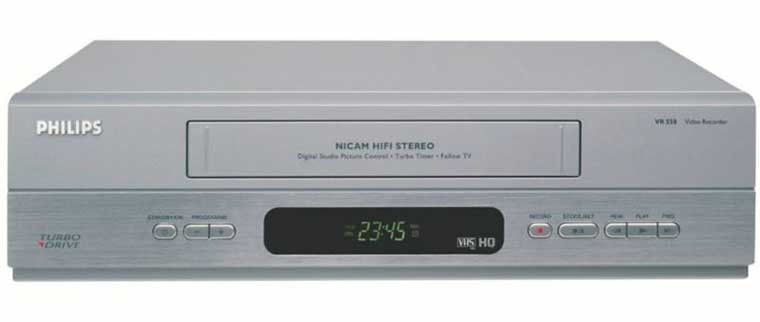
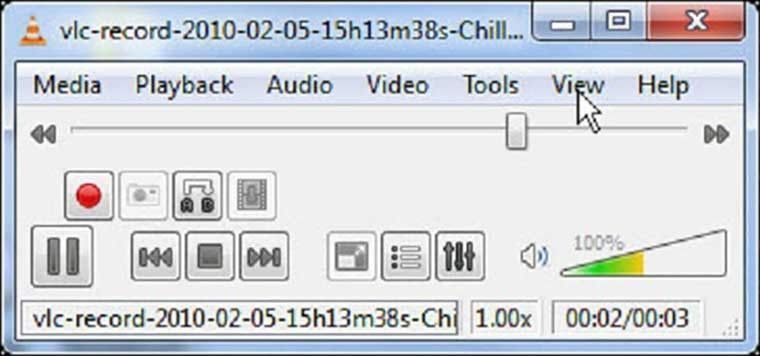
On the other hand, it may also happen that a media format dies out but leaves a lasting impact on our media culture. Who still uses old videocassette players? The answer is almost nobody. But almost all of us watch videos on our personal computers, using some kind of media player. Technologically analogical VCR players and digital media player applications are very different. But when it comes to the user experience, the difference is much less significant. The design of the user interface in most media players is directly based on the front panels of old VCR players. Just take a look at the VLC Player (picture 2), which is at the moment the most popular desktop video player application. The control panel, with its virtual buttons (play, stop, record, rewind, and forward) and their symbols, directly emulates the physical buttons that once graced VCR players back in the 1980s and 90s (picture 3).
Author: Juho Ahava