Psychology
This is a three-year BSc (Hons) in Psychology, taught entirely in English and worth 360 UK credits. Your degree will be awarded by the University of West London, UK.
Explore the mind, influence the world
Psychology is the study of the human mind and behaviour – how people think, feel, and act. This degree is designed for students who want to explore those processes in depth while gaining skills that are highly valued in today’s job market, from behavioural analytics and human resources to education, recruitment, and consultancy.
The programme combines current research with practical application, giving you a foundation in core psychological principles and the freedom to explore areas that interest you most. Along the way, you’ll develop transferable skills in communication, critical and reflective thinking, creativity, data analysis, and interpersonal awareness.
Our lecturers bring both academic expertise and active research into the classroom, covering emerging fields such as cyberbullying, binge drinking, and honour-based violence. Guest speakers – practising psychologists from diverse backgrounds – share first-hand insights into how psychology is applied across industries.
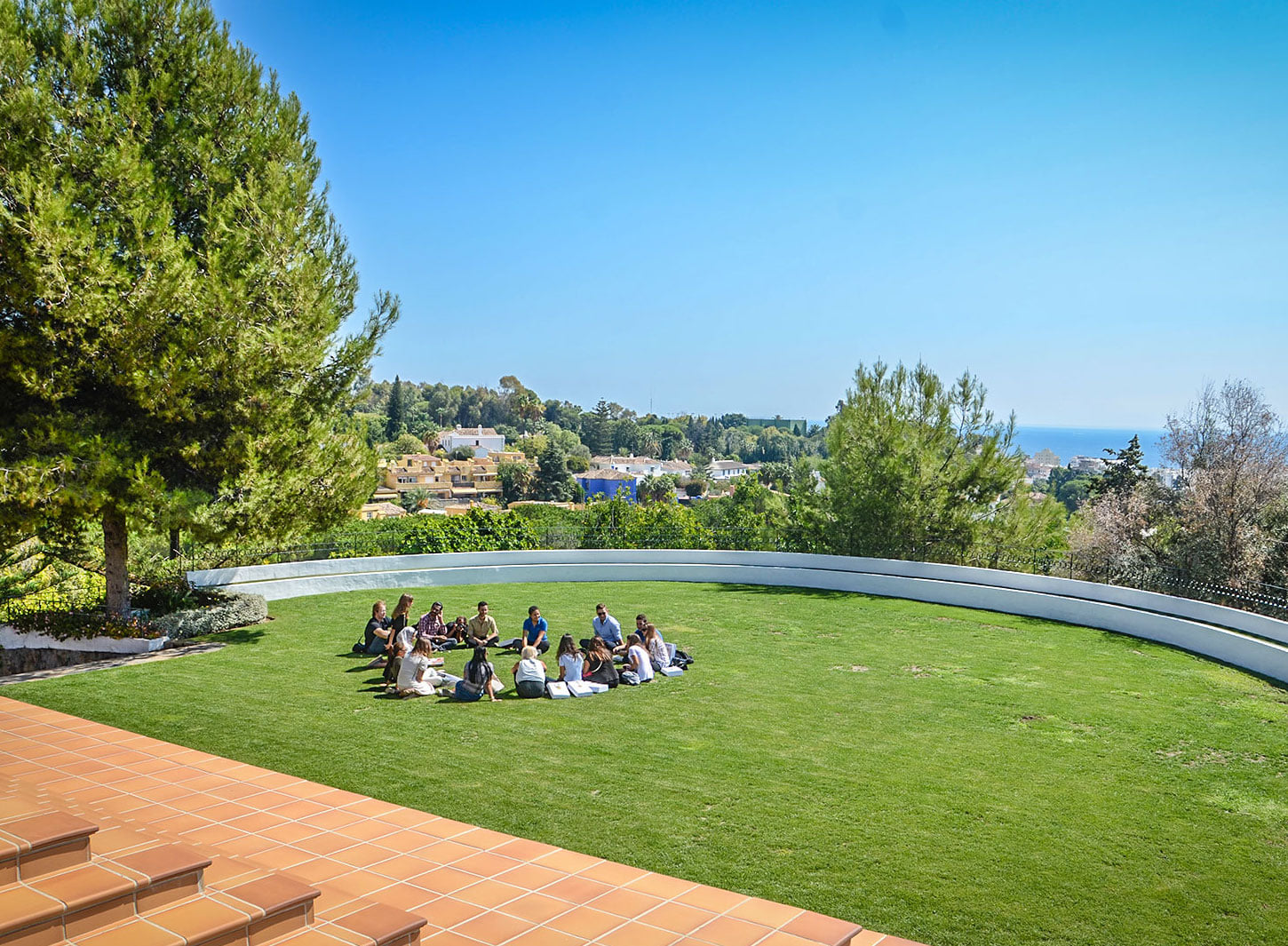
Learning at MIUC takes place in a supportive, open environment. Each student has a personal tutor and access to staff for both academic and pastoral guidance. Beyond the classroom, you’ll be encouraged to gain real-world experience through placements that connect theory to practice. Past students have worked in victim support schemes, drug support programmes, after-school clubs, and market research, building valuable skills and professional networks along the way.
By the time you graduate, you’ll not only understand the theories that explain human behaviour but also know how to apply them in ways that make an impact – in psychology and beyond.
Tuition Fees
The annual tuition fee is €20,800 and covers everything you need for the academic year: course registration, study materials, full access to the Blackboard learning platform, use of the library, visa and immigration guidance, and 24/7 student support.
The fee is the same whether paid per semester or for the full year.
Students who pay before May 15th can receive an early-payment discount: 15% off the full annual fee, or 10% off if paying per semester.
Course registration takes place during the first week of each semester. Enrolling in a course creates both an academic and financial commitment; Choosing not to attend later does not cancel that commitment.
Any student wishing to withdraw from a course must officially de-register through Student Services.
All students are expected to be familiar with the university’s regulations as published.
Entry Requirements
We process applications on an ongoing basis under our Rolling Admission policy, which means your file is reviewed as soon as it is submitted.
Entry Requirements
To apply, you will need to provide a copy of your passport or national ID, a recent passport-sized digital photograph, your High School Certificate and full Grade Transcripts (officially translated into English or Spanish), a Statement of Purpose of at least 500 words explaining why you wish to study at MIUC and what you expect from the program, two Letters of Recommendation, and a current curriculum vitae.
Applicants aged 21 or over who do not hold the standard qualifications are still encouraged to submit an application if they have relevant work experience. These cases are assessed individually.
Students wishing to enter directly into Level 5 (the second year) must demonstrate appropriate knowledge and experience; for example, holding 120 undergraduate credits at Level 4 or a CertHE in a related subject.
Entry into Level 6 (the third year) requires evidence of more advanced standing, such as 240 undergraduate credits across Levels 4 and 5, or a DipHE, Foundation Degree, or HND in a relevant field.
You are eligible to apply if you have completed your secondary education. If you have already completed part of a degree at another university or accredited institution, you may request a credit transfer.
English Language Requirements
Applicants who have not previously studied in an English-speaking school or country must provide proof of English proficiency. Accepted tests include IELTS with a minimum overall score of 6.0 (and no component below 5.5), TOEFL iBT with a minimum score of 88, the Cambridge Certificate at B2 level, or a pass in the MIUC English Test.
Important Information for International Students
In line with current Spanish immigration guidelines, international students are required to apply for their student visa at least two months before the start of their course.
Level 4
Autumn Semester
Understanding Ourselves and Others
In this module you will be introduced to the psychology of individual differences. You will learn topics in human variation such as personality, intelligence, and neurodiversity and other psychological factors which make us unique.
Mind, Brain, and Behaviour
In this module you will be introduced to biological and cognitive psychology. You will learn the biological basis of behaviour and how the interactions of thinking, emotion, creativity, and problem-solving influence our behaviour.
Data Handling and Analysis in Psychology
In this module you will begin your training in psychological research methods developing the practical skills you need to conduct research. You will learn about research design, ethical issues, analytical techniques and study how to programme and code experiments, and analyse data from surveys and observation studies.
Spring Semester
Development in a Social World
This module introduces you to social and developmental psychology. You’ll explore how people grow and change across the lifespan, and how our thoughts, decisions, and behaviour are shaped by the presence of others.
Qualitative Inquiry in Psychology
This module builds on your research skills by focusing on non-numerical methods. You’ll learn how to conduct interviews, analyse themes and conversations, and practise a range of qualitative research techniques used in modern psychology.
Real World Psychology: Mental Health
This module looks at how mental health is understood and treated today. You’ll cover key concepts in wellbeing, the prevalence of mental health conditions in the UK and beyond, and the main evidence-based approaches used to support people in real-world settings.
Level 5
Autumn Semester
Personality and Individual Differences
This module deepens your understanding of what makes people unique. You’ll look at how culture shapes behaviour, how psychological assessments work across different populations, and you’ll get hands-on experience with personality and intelligence testing.
Cognitive Neuroscience
This module explores the relationship between the brain and behaviour at an advanced level. You’ll examine how we think, learn, and remember, and study the neural mechanisms behind behaviours such as addiction.
Psychology in Practice
This module prepares you for the world of work by combining psychological theory with real experience. You’ll explore concepts linked to employability while taking part in practical work placements to build your professional skills.
Spring Semester
Psychosocial Development across the Lifespan
This module explores how people grow and change from infancy to old age. You’ll examine social interactions, key developmental milestones, and topics such as language development and how it shapes behaviour.
Mental Health, Wellbeing, and Resilience in Psychology
This module introduces you to the principles of wellbeing and resilience. You’ll look at the role of positive psychology in supporting mental health, and study approaches such as prevention strategies and trauma-informed care.
Becoming an Independent Researcher
This module strengthens your research and data-analysis skills. You’ll work with advanced research designs, build confidence in independent enquiry, and explore themes like openness and transparency in psychological research.
Level 6
Autumn Semester
Clinical and Counseling
This module introduces the core skills used in clinical, counseling, and psychotherapy roles. Through interactive sessions, you’ll learn evidence-based approaches and start developing the practical techniques needed for future client work.
Dissertation (40 credits)
This module is your chance to design and complete an independent research project on a topic that interests you. With guidance from an academic supervisor, you’ll review the literature, create a research question, plan your study, gain ethical approval, collect and analyse your data, and produce your final research report.
Health Psychology
This module provides an introduction to the health psychology pathway. You’ll study how psychological principles help explain illness, wellbeing, and health behaviours, and explore ways to encourage healthier choices in individuals and communities.