BA (Hons) Politics and International Relations
This is a three-year BA (Hons) in Politics and International Relations, taught entirely in English and worth 360 UK credits. Your degree will be awarded by the University of West London, UK.
Debating the issues that define the 21st century
Our undergraduate programme in Politics and International Relations is designed for students who want to understand how political decisions shape societies, economies, and international affairs. From elections and public policy to diplomacy, conflict, security, and global governance, this degree explores the forces that influence our world and the individuals and institutions that drive change.
Over three years, you will study political science, international relations, history, law, and economics, examining how global challenges emerge and how solutions are debated, negotiated, and implemented. You’ll explore topics such as democracy and political systems, human rights, international security, diplomacy, migration, sustainability, global development, and the impact of technology on politics and society.
Classes are small, interactive, and taught entirely in English. You will learn from lecturers with international backgrounds in politics, diplomacy, law, and economics, alongside visiting experts who bring first-hand insights and professional experience into the classroom.
At MIUC, learning always extends beyond theory. Through case studies, policy analysis, debates, simulations, and independent research projects, you will engage with real-world political issues and develop the skills needed to analyse complex problems from multiple perspectives. Along the way, you will strengthen your ability to evaluate evidence, construct persuasive arguments, conduct research, communicate effectively, and think critically about local, national, and global affairs.
Studying in an international environment also provides valuable opportunities to engage with diverse viewpoints and better understand the cultural, political, and economic factors that influence decision-making across the world.
This degree is awarded through our academic partner, the University of West London (UWL), ranked among the top 20 universities in the UK for teaching quality in The Times and Sunday Times Good University Guide 2027. UWL’s Politics courses are ranked 1st in the UK in the National Student Survey 2026. The degree is certified by the Junta de Andalucía.
By graduation, you will be equipped to conduct political and policy research, evaluate domestic and international developments, communicate complex ideas clearly, and contribute meaningfully to discussions on the challenges facing contemporary societies. The knowledge and transferable skills developed throughout the programme can open pathways to careers in government, diplomacy, international organisations, NGOs, public affairs, journalism, research, consultancy, and many other fields where analytical thinking and effective communication are highly valued.
Programme at a glance
| Awarding Body | University of West London (certified by Junta de Andalucía) |
|---|---|
| Duration | 3 years |
| Mode of Study | Full-time |
| Credits | 360 UK credits |
| Location | MIUC, Marbella (Spain) |
| Start Dates | September & February |
| Language | English |
| Tuition Fees | See tuition fees |
Student Approval Rating
Based on MIUC’s 2024/25 module evaluations, students rated the course highly for overall learning experience and academic support.
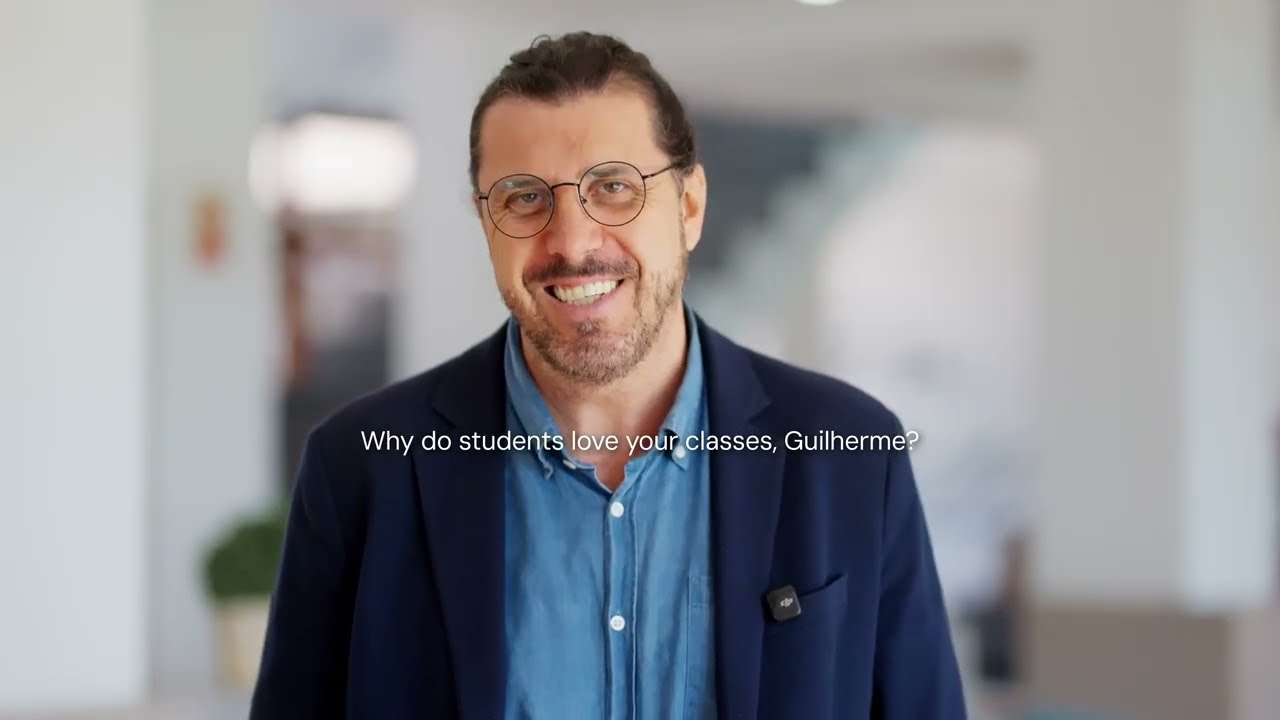
Meet Your Professor: Guilherme Curi, PhD
We interviewed our Politics & International Relations professor Guilherme Curi, PhD, to get the truth about what it takes to survive (and thrive) in the world of global politics. From the three words that define his entire teaching philosophy, to the projects that will build your CV before you graduate – we’re diving into all the good questions. Whether you’re just beginning to explore your future in the field or you’re already spiralling over your application, this video is for you.
Degree Outline
This politics degree unfolds as an intellectual and professional journey. From mastering the tools of thought and expression to applying them in complex real-world scenarios. Each year builds upon the last, sharpening your mind, refining your voice, and preparing you for leadership.
Year 1: Finding Your Voice in Politics
You begin by developing the essential instruments of political thought and communication. You will learn how to dissect arguments, detect bias, and construct persuasive ideas with precision. Through structured debates, mock press briefings and public speaking workshops, you’ll find and refine your public voice. Written work, from op-eds to briefing notes, will strengthen your ability to write with clarity and conviction. By the end of the year, you will have the intellectual and communicative foundations necessary for any future diplomat, policy analyst or strategist.
Year 2: Multilateralism, Negotiation & Diplomatic Practice
Now you will move from thinking about politics to doing politics. You will study how global institutions and regional bodies operate, how authority is contested, and how agendas are set in an interconnected world. In negotiation labs and diplomatic simulations, you will step into the shoes of state representatives, alliance builders, and institutional actors, learning how to negotiate, build coalitions, and shape outcomes. You will also produce a professional portfolio of position papers, negotiation briefs, and ‘diplomatic cables’, building the analytical and tactical skills that define high-level practitioners.
Year 3: Crisis Simulations, Policy Outputs & Final Year Dissertation Project
Your final year immerses you in the intensity of decision-making under pressure. You will participate in live crisis simulations, negotiating ceasefires, responding to humanitarian emergencies, and managing media strategy during diplomatic stand-offs. You will produce tangible policy outputs, from governmental recommendation papers to strategic communication plans. Alongside these, your dissertation or applied policy project allows you to specialise in a topic of real-world significance, whether digital diplomacy, sanctions, or post-conflict reconstruction.
By graduation, you won’t just understand how politics works – you will have done it. With a portfolio of real-world deliverables, simulation experience, and finely tuned analytical and communicative skills, you’ll be ready to launch a career across diplomacy, government, international organisations, think-tanks, and the global media sphere.
Tuition Fees
The annual tuition fee is €20,800, and it covers everything required for the academic year. This includes all course registrations, tuition and standard study materials, unlimited access to the Blackboard Learning Platform, full use of the library, visa and immigration support, and round-the-clock student assistance. The total yearly fee is €20,800, with no additional compulsory charges.
Early Payment Benefit
We offer the following discount options for early tuition fee payments:
For the Autumn semester (starting in September): a 5% discount if the semester’s tuition fee is paid before 15 August, or a 10% discount if the full academic year’s tuition fee (Autumn and Spring semesters) is paid before 15 August.
For the Spring semester (starting in February): a 5% discount if the semester’s tuition fee is paid before 15 December, or a 10% discount if the full academic year’s tuition fee (Spring and Autumn semesters) is paid before 15 December.
Course Registration & Responsibilities
Course registration takes place during the first week of each semester. If you choose not to attend later in the term, your financial and academic responsibilities for the courses in which you are already enrolled remain unchanged. Any course you wish to drop must be formally de-registered through Student Services. Students are also responsible for familiarising themselves with all university policies and regulations as published.
Entry Requirements
We process applications on an ongoing basis under our Rolling Admission policy, which means your file is reviewed as soon as it is submitted.
Entry Requirements
To apply, you will need to provide a copy of your passport or national ID, a recent passport-sized digital photograph, your High School Certificate and full Grade Transcripts (officially translated into English or Spanish), a Statement of Purpose of at least 500 words explaining why you wish to study at MIUC and what you expect from the programme, two Letters of Recommendation, and a current curriculum vitae.
Applicants aged 21 or over who do not hold the standard qualifications are still encouraged to submit an application if they have relevant work experience. These cases are assessed individually.
Students wishing to enter directly into Level 5 (the second year) must demonstrate appropriate knowledge and experience; for example, holding 120 undergraduate credits at Level 4 or a CertHE in a related subject.
Entry into Level 6 (the third year) requires evidence of more advanced standing, such as 240 undergraduate credits across Levels 4 and 5, or a DipHE, Foundation Degree, or HND in a relevant field.
You are eligible to apply if you have completed your secondary education. If you have already completed part of a degree at another university or accredited institution, you may request a credit transfer.
English Language Requirements
Applicants who have not previously studied in an English-speaking school or country must provide proof of English proficiency. Accepted tests include IELTS with a minimum overall score of 6.0 (and no component below 5.5), TOEFL iBT with a minimum score of 72, the Cambridge Certificate at B2 level, or a pass in the MIUC English Test.
Important Information for International Students
In line with current Spanish immigration guidelines, international students are required to apply for their student visa at least two months before the start of their course.
What you will study
Please note, we regularly review our course content to offer relevant, impactful and career-shaping learning. Therefore, the following modules are indicative and subject to change.
Year 1 (Level 4)
Autumn Semester
Modern Political Thought
Explore the key thinkers and debates that have shaped Western political philosophy, from Plato and Aristotle to Machiavelli, Hobbes, and Locke, through the Enlightenment and into the 19th and 20th centuries. This module traces the rise of major ideologies – liberalism, conservatism, socialism, anarchism, nationalism, fascism, and communism – while examining the social and economic forces behind them. You’ll also study theories of social change, learning how shifts in culture, economy, and demographics continue to influence political ideas today.
Theories of International Relations
This module provides a foundation in the major schools of thought that explain global politics. You’ll explore realism, liberalism, constructivism, Marxism, feminism, post-structuralism, and postcolonialism, analysing how they approach concepts like power, anarchy, and identity. Each theory is placed in historical context and compared to the others, giving you the tools to critically engage with contemporary debates in international relations.
Global Politics
This module introduces you to the defining political challenges of our time. From the evolution of the modern nation-state to the forces of globalisation, international cooperation, and contestation. By tracing how states, institutions, and ideas have developed and interacted, you will gain the theoretical foundation needed to analyse today’s most pressing global issues.
You will engage with key concepts such as sovereignty, power, hegemony, justice, and human rights, exploring how they shape the global order and the tensions within it. Through historical and theoretical inquiry, you will examine questions of war and peace, regionalism and multilateralism, and postcolonial dynamics that continue to influence world politics.
By the end of the module, you will possess the analytical framework to interpret global political developments critically – and understand the structures, struggles, and ambitions that define the international system in which we live.
Spring Semester
Political Systems
This module introduces you to how political systems function, how ideologies shape them, and how different countries structure power. You follow the development of representative democracy from its beginnings in Ancient Greece to the British parliamentary model, the American and French Revolutions, and the rise of the modern nation-state. You compare parliamentary and presidential systems, explore electoral models such as first-past-the-post and proportional representation, and look at how single-party or two-party systems differ from multi-party coalitions. The module also contrasts liberal democracies with hybrid regimes, monarchies, authoritarian governments, and totalitarian states. Throughout, you examine how political cultures shape the legitimacy and success of representative systems.
US Foreign Policy
This module immerses you in the power politics of the modern world through the lens of US foreign policy – a story of dominance, ideology, and global leadership.
To understand why the United States remains the central power and architect of the liberal international order, you will examine not only its actions abroad but also the ideas and institutions that drive them. You will explore the ideological underpinnings of American power – from exceptionalism and capitalism to democracy and empire – and how these have shaped both the vision and practice of US foreign policy. Through engagement with International Relations, Political Economy, and Diplomatic History, you will study how foreign policy is actually made: the interplay of presidential authority, Congress, think tanks, lobby groups, and the media.
The module also investigates the elite knowledge networks and intellectual foundations of the ‘American Century’, revealing how scholars, policymakers, and strategists constructed the frameworks that justified and sustained US global dominance. Case studies from Cold War interventions and the War on Terror to economic globalisation and relations with rising powers ground these debates in real-world contexts.
By the end of the module, you will possess a sophisticated understanding of how ideology, elite influence, and strategic decision-making intersect to maintain American hegemony and uphold the liberal international order.
Media, Culture and Society
This module explores how media, politics, and culture intersect. You look at the rise of press freedom within European liberal traditions and examine the contradictions that come with it. The module focuses on theories of media influence and how art and culture reflect – and challenge – political ideas. You investigate how cultural norms can both limit and protect media freedom, unpack the boundaries of censorship, and analyse the difference between state control and cultural self-regulation. The module also considers the political impact of digital and social media and how these platforms reshape public debate.
Year 2 (Level 5)
Autumn Semester
British and European Politics
This module builds a clear understanding of contemporary politics in Britain and across Europe. You look at how political systems operate at different levels, how national and supranational institutions interact, and how decisions made in one tier of governance shape outcomes in another. Alongside Britain’s internal dynamics, you examine the political relationships between major European states and the workings of institutions such as the European Union.
Identity Politics
This module asks you to examine how identity shapes political life. You explore key themes including gender, sexuality, race, class, nationalism, religion, ethnicity, disability, equality, and power. You also study the political movements and debates built around identity, from feminism, intersectionality, and postcolonial thought to right-wing populism, antisemitism, Islamophobia, political correctness, the #MeToo movement, no-platforming, and the idea of safe spaces. The aim is to understand how identities are formed, contested, politicised, and used to mobilise social and political change.
International Order
Through a combination of theoretical exploration and practical engagement, this module provides you with a deep understanding of international institutions and their effectiveness in shaping global policies. It equips you with problem-solving skills through simulations of real-world issues, fostering critical thinking and research abilities. Additionally, the course emphasises the changing nature of global governance, the evolution of multilateralism, and the importance of sustainability in international relations.
By integrating employability-focused activities, such as structured class discussions, you will develop communication skills essential for future careers in diplomacy, policymaking, and global affairs. International organisations exist to address global challenges and facilitate cooperation among nations. While traditional international relations theories view the global system as anarchic, international organisations have become key actors in global governance, particularly since WWII.
However, the last two decades have seen a decline in the effectiveness of multilateral diplomacy, with institutions like the UN, EU, and WHO facing significant challenges. At the same time, the world has become increasingly complex in the context of maintaining international order, with crises such as climate change, refugee displacement, ongoing conflicts, and the aftermath of the COVID-19 pandemic testing the resilience of international institutions. This module encourages you to critically analyse the role of these organisations and assess the feasibility of frameworks like the 17 Sustainable Development Goals (SDGs) in tackling contemporary global issues.
Spring Semester
Working in Political and International Contexts
This module combines theory with hands-on experience, allowing you to test political and international relations concepts in real organisational settings. You complete at least thirty hours of experiential learning, supported by seminars that guide you through the theoretical frameworks relevant to your placement. The practical work follows a participant-observation approach, encouraging you to analyse what you see, link it to academic debate, and reflect on your professional direction. Throughout the module, you are encouraged to identify the skills valued by employers and focus on developing and demonstrating them.
Politics of the Global South
This module offers a critical comparative analysis of politics in the Global South, focusing on how development, democracy, globalisation and governance unfold across Asia, Africa and Latin America. It examines key themes such as civil society, corruption, aid, migration, clientelism and authoritarianism, while interrogating the enduring legacies of imperialism, orientalism and neo-colonialism. You will explore how historical and structural inequalities shape state-society relations, social movements and international engagement within low- to middle-income countries.
Through case studies, debates and interactive learning activities, the module encourages the application of theory to real-world contexts, developing both analytical and communication skills. You will also investigate the role of NGOs, transnational corporations and foreign interventions in shaping political and economic outcomes, gaining a nuanced understanding of how power operates across the Global South in an increasingly interconnected and contested global landscape.
Research Methods
This module introduces you to the challenges of conducting research in Politics and International Relations and prepares you for your final-year dissertation. You learn how to design, plan, and interpret research, while engaging with both the philosophical questions and the practical steps involved in social science inquiry. The module covers a range of research methods, the types of data they produce, and the ways that data can be analysed. By the end, you will have a clear understanding of how to formulate strong research questions and select the methodological approach best suited to answering them, along with a realistic awareness of the limitations inherent in political research.
Final Year (Level 6)
Dissertation
In your final year, you complete an independent dissertation on a topic of your choice within Politics and International Relations. You work under the guidance of an academic supervisor, learn to frame a research question, select an appropriate methodology, and produce a substantial piece of written research that reflects your individual academic interests.
Contemporary Political Theory
This module introduces you to the research interests of the department’s academic staff and invites you to shape your learning around those themes. You explore how contemporary theoretical debates connect to current questions in politics and international relations, and how political theory responds to the issues shaping today’s world.
Diplomacy and Conflict Resolution
This module provides a comprehensive exploration of diplomacy as a tool for conflict resolution and crisis management, combining conceptual, theoretical and practical perspectives. It examines how diplomatic mechanisms operate within contemporary international relations, focusing on negotiation, intelligence, security cooperation and public diplomacy. Through detailed case studies, you will evaluate the effectiveness of traditional and emerging approaches to peacekeeping and mediation, while considering the growing influence of non-state actors, international organisations and sustainability frameworks such as the UN Sustainable Development Goals (SDGs).
By engaging in interactive learning, including live crisis simulations, you will apply theory to practice, collaboratively managing hypothetical international conflicts that test strategic thinking and decision-making under pressure. The module enhances research, analytical and communication skills while deepening understanding of diplomacy’s evolving role in shaping global order. It prepares you to think and act effectively in the complex, fast-changing environments of modern international affairs.
Political Sociology
Political Sociology introduces you to the intersection of politics and social life. You examine classic and modern debates about power, drawing on thinkers such as Lukes and Weber, and explore how political authority interacts with institutions like the family, religion, and the media. Themes such as bureaucracy, charismatic leadership, ideology, political violence, terrorism, revolution, totalitarianism, and new social movements form the core of the module.
International Human Rights
This module traces the development of human rights thinking from early rights theories to modern international law. You explore the philosophical foundations of human rights, the impact of the UN Declaration of Human Rights, and the expansion of rights through treaties such as the International Covenant on Economic, Social and Cultural Rights. The module also looks at contemporary issues including indigenous rights, global development, and questions of social justice.
While you’re here

Meet Our Lecturers
Behind every course is someone who’s lived what they teach. Our lecturers come from international careers in business, politics, marketing, and more, bringing real-world experience into every discussion and mentoring students with a rare level of personal attention.
See how admissions work
Our admissions process is designed to be clear and personal from the start. See how each step works – from your first contact to enrolment – so you always know what’s coming next and what’s expected along the way.
The MIUC Chronicle
From student stories and campus news to expert insights, events, and behind-the-scenes moments, this is where we share what’s shaping life at MIUC right now and what’s next.